
Need to know the cost of bush removal? In 2025, bush removal costs range from $140 to $2,200, with an average of $770. This guide explains the factors affecting these bush removal costs and how you can save on bush removal cost.
Key Takeaways
-
Bush removal costs in 2025 range from $140 to $2,200, with an average price of around $770, influenced by factors such as bush size, type, and accessibility.
-
Removal costs vary significantly based on bush size, with small bushes costing $15 to $40 and extra-large bushes priced between $150 and $300 each.
-
Additional services like stump removal, waste disposal, and soil replacement can raise overall costs, while bundling services or opting for DIY can offer potential savings.
Average Bush Removal Costs in 2025
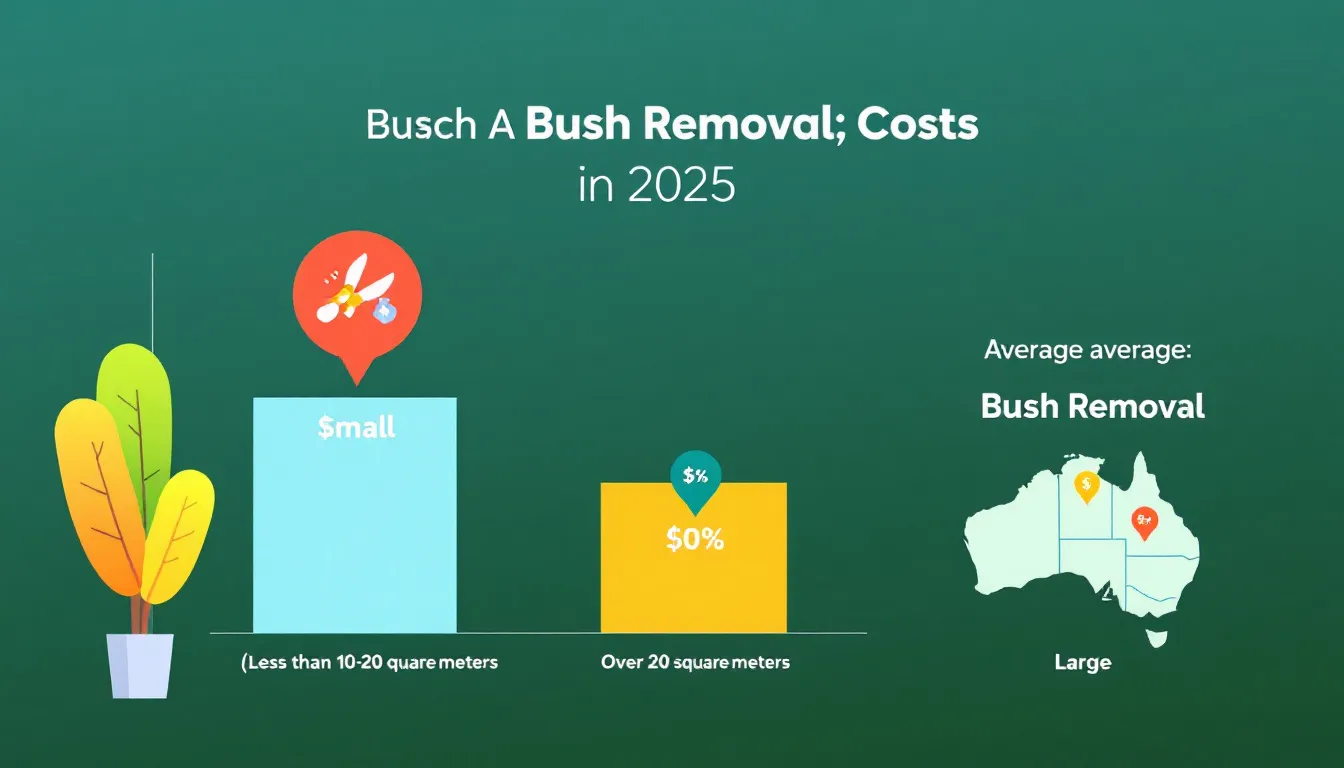
In 2025, the cost of bush removal can range widely, from as low as $140 to as high as $2,200, depending on the complexity and scope of the project. On average, homeowners can expect to spend around $770 for professional bush removal services. However, most typical jobs fall within the $380 to $1,170 range, making a bush removal cost estimator a useful tool for budgeting.
These costs may seem high at first glance, but they reflect the variety of elements that can impact the removal process, such as the type and size of the bushes, their root systems, and the overall accessibility of the site. Knowing these factors helps you better estimate your bush removal costs and plan accordingly.
Bush Removal Cost by Size
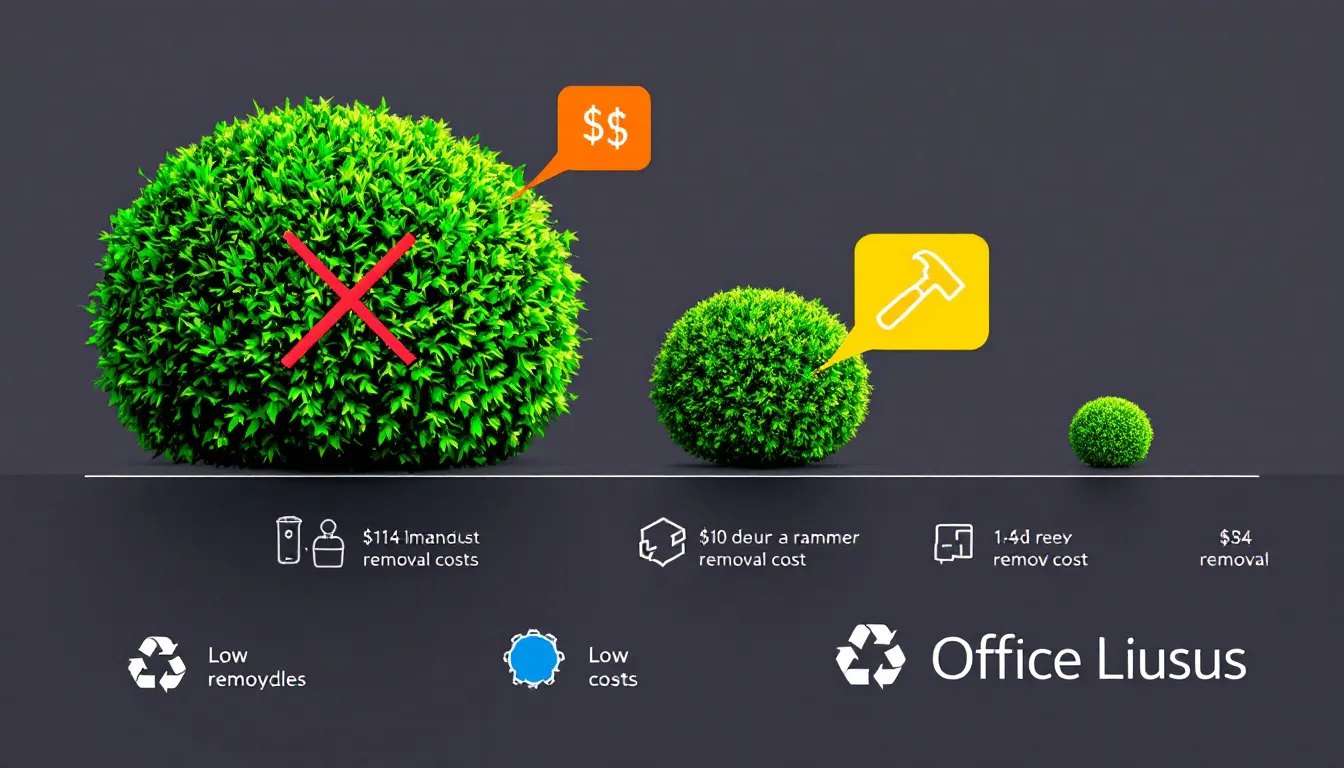
The size of the bush is one of the most significant factors affecting removal costs. For small bushes under 2 feet, the cost typically ranges from $15 to $40 each. Medium-sized bushes, which are about 2 to 4 feet tall, generally cost between $40 and $80 to remove.
When it comes to larger bushes, the shrub removal costs increase accordingly. Large bushes, standing 4 to 6 feet tall, can cost anywhere from $70 to $150 each. For extra-large shrubs over 6 feet, expect to pay between $150 and $300 per bush. These variations emphasize the need to consider bush size when planning your removal project.
Factors Influencing Bush Removal Costs
Factors beyond the size of the bushes can also significantly affect bush removal costs. One major factor is the type of bush itself, as some species require specialized techniques due to their complexity or danger, such as spiny bushes. The complexity of the root system also plays a role, with extensive root systems significantly increasing labor and stump removal costs.
Soil type also impacts the ease and cost of removal. Dense clay or loam soils require more labor than lighter sandy soils. Bushes in hard-to-reach areas or near obstacles like power lines can increase removal costs due to the additional labor and equipment required.
Root System Complexity
Complex root systems make bush removal more challenging and costly. Older bushes typically have thicker trunks and deeper roots, requiring more time and effort to remove. Extensive root systems increase labor and stump removal costs, making the process more labor-intensive and expensive.
For instance, removing shrubs, such as an oleander bush, known for its extensive root system, can be quite a task.
Soil Type Considerations
Soil type significantly affects bush removal costs. Dense clay or loam soils are harder to work with than lighter sandy soils. This added difficulty can lead to higher overall costs for shrub removal, as more intensive labor is required to dig through denser soil.
Accessibility Challenges
Accessibility significantly impacts bush removal costs. Bushes in hard-to-reach areas or near buildings may require specialized equipment and extra labor, increasing costs. For instance, bushes near power lines or on uneven terrain present unique challenges that can increase removal expenses.
Clearing flatter terrain near the road is usually less expensive than dealing with rocky, steep, or marshy areas far from access points. Recognizing these factors helps you anticipate challenges and budget more accurately for your bush removal project.
Additional Bush Removal Services

Consider additional services that may be necessary to complete the job when planning shrub and bush removal. These can include stump removal, waste removal, and soil replacement.
Bundling multiple services with a provider often leads to discounts, offering additional savings.
Stump Removal Costs
Stump removal is a crucial aspect of bush removal that can increase the overall cost. Bush stump removal typically costs between $12 and $24 per stump. This pricing can depend on various factors. Grinding a tree stump usually costs between $100 and $250. This price range applies to each individual stump.
Complicating factors for stump removal include the location of utility lines and the complexity of root systems. After removing bushes, address the remaining stumps either by removing them yourself or hiring a stump removal service.
Waste Removal Expenses
Waste removal expenses significantly contribute to the overall bush removal cost. Disposal fees typically depend on the volume of waste and the distance to the dump site. Understanding these fees is essential for budgeting your bush removal project.
Proper waste disposal ensures your property remains clean and safe. Some contractors include disposal fees in their estimates, while others charge separately.
Soil Replacement Pricing
Soil replacement after bush removal can cost between $20 and $180 per cubic yard. Topsoil costs can vary significantly, especially when including delivery. Prices typically range from $10 to $50 per cubic yard.
The average total costs for laying sod after shrub removal range from $1,048 to $2,992. The type of soil significantly affects the cost of soil replacement, making it an important consideration.
DIY Bush Removal vs. Hiring a Pro
Choosing between DIY bush removal and hiring a professional greatly impacts your costs. DIY bush removal is generally less costly than hiring professionals. However, this approach carries risks, such as injury and handling toxic or spiky plants.
Considering costs, skills, and time required helps you make the best decision for your situation.
DIY Bush Removal Costs
Essential tools for DIY bush removal average around $373. This includes equipment like a cordless hedge trimmer (about $83) and a chainsaw (around $112).
Using DIY tools can eliminate labor costs if homeowners have the necessary skills and equipment. Homeowners can also handle debris removal and filling holes to save on costs.
Professional Bush Removal Services
Most homeowners can expect professional bush removal to cost between $380 and $1,170. Landscaping companies often charge $50 to $100 per hour for bush removal services. Hiring an arborist for bush removal is often the most expensive option due to their specialized skills.
Getting multiple estimates helps compare prices and ensures you get a good deal.
Tips to Save Money on Bush Removal
You can save money on bush removal in several ways. Bundling services such as tree removal or lawn installation can save costs. DIY bush removal is usually more affordable than hiring a professional.
Homeowners can also prepare for bush removal by clearing the area around bushes and handling debris disposal themselves. Doing some of the work before professionals arrive can reduce overall costs.
When to Remove Bushes
The best times for bush removal are late winter to early spring when plants are dormant and late fall after the growing season. Removing bushes in late winter can reduce costs due to the absence of leaves.
Signs that bushes need removal include wood rot, dead branches, and brittle or crumbling wood. Mild weather conditions are ideal for safety during bush removal.
Questions to Ask Before Hiring a Bush Removal Service
Ask several important questions before hiring a bush removal service. Gather all necessary information beforehand. Verify that the service is licensed and insured to protect your property. Inquire about the company’s references to gauge their reliability and work quality.
Knowing the typical job duration can indicate the company’s experience and planning skills. Inquiring about the cleanup process ensures you’re not left with debris on your property.
Summary
Removing bushes can be a complex and costly task, but understanding the factors that influence costs and exploring both DIY and professional options can help you make informed decisions. The average cost of bush removal in 2025 ranges from $140 to $2,200, with most homeowners spending around $770. Factors such as bush size, root system complexity, soil type, and accessibility all play significant roles in determining costs.
By considering additional services, preparing the site yourself, and asking the right questions before hiring a service, you can save money and ensure a successful removal project. Whether you choose to tackle the task yourself or hire a professional, being well-informed will help you achieve the best results for your landscaping needs.
Frequently Asked Questions
What is the average cost of bush removal in 2025?
The average cost of bush removal in 2025 is approximately $770, typically ranging from $140 to $2,200.
How much does it cost to remove a large bush?
Removing a large bush typically costs between $70 and $150. This price can vary depending on factors like location and accessibility.
What factors influence bush removal costs?
Bush removal costs are influenced by the size of the bush, the complexity of its root system, soil type, and any accessibility challenges that may arise. Considering these factors can help you estimate the overall expense more accurately.
Is DIY bush removal cheaper than hiring a professional?
DIY bush removal is typically cheaper than hiring a professional, but it requires the right tools and skills to avoid risks. Be mindful of your capabilities before deciding on the DIY approach.
When is the best time to remove bushes?
The best time to remove bushes is during late winter to early spring or late fall, as this is when the plants are dormant. Removing them during these seasons minimizes stress on the plants and allows for effective removal.