
Need to know how to safely and efficiently handle tree and limb removal? Whether it’s to prevent hazards or improve your yard, this guide covers everything from recognizing when removal is necessary to choosing between DIY methods and hiring professionals.
Key Takeaways
- Tree and limb removal is essential for safety, aesthetics, and property maintenance, especially for trees showing decay or structural defects.
- Engaging professional tree removal services reduces risks, ensures efficient removal, and can save costs in the long term by preventing damages.
- DIY tree removal requires proper tools and safety precautions, and should be approached with a clear plan and understanding of potential hazards.
Understanding Tree and Limb Removal
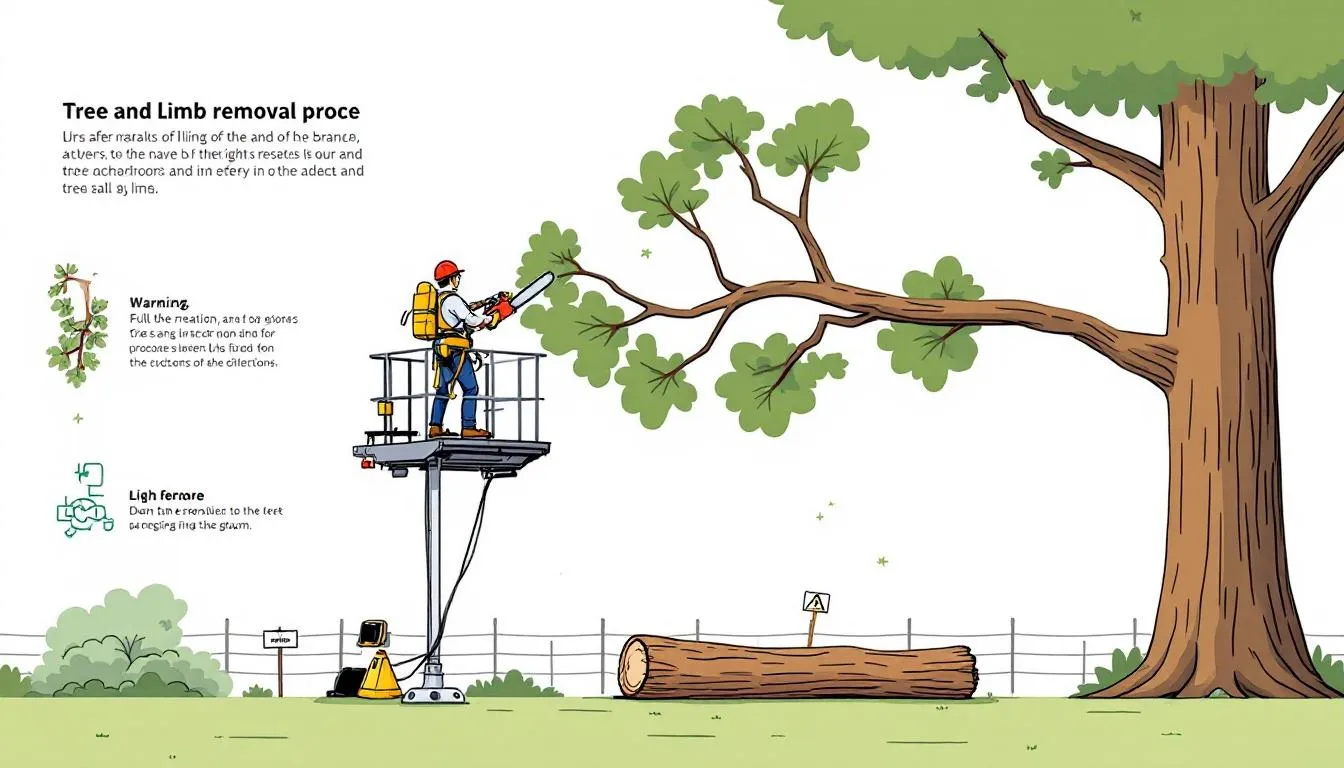
Tree and limb removal is essential for several reasons, primarily for safety:
- Trees showing signs of decay
- Trees with structural defects
- Trees posing hazards to nearby properties
- Decayed or damaged trees that can cause injury or property damage
- Trees compromised by severe weather events, like storms or high winds, necessitating expert intervention
Aesthetics and property maintenance are also significant reasons for tree removal. Clearing trees from unwanted locations can improve your property’s aesthetics by allowing more sunlight to reach the ground, fostering grass and plant growth. Regular inspections and preventive measures can mitigate future storm damage risks, preserving the beauty and safety of your yard.
A significantly leaning tree or one with broken or missing branches may indicate root damage or other structural issues needing professional assessment. Ignoring these signs can cause stress and concern for homeowners about potential hazards. Timely tree and limb removal ensures both safety and aesthetic appeal.
Professional Tree and Limb Removal Services
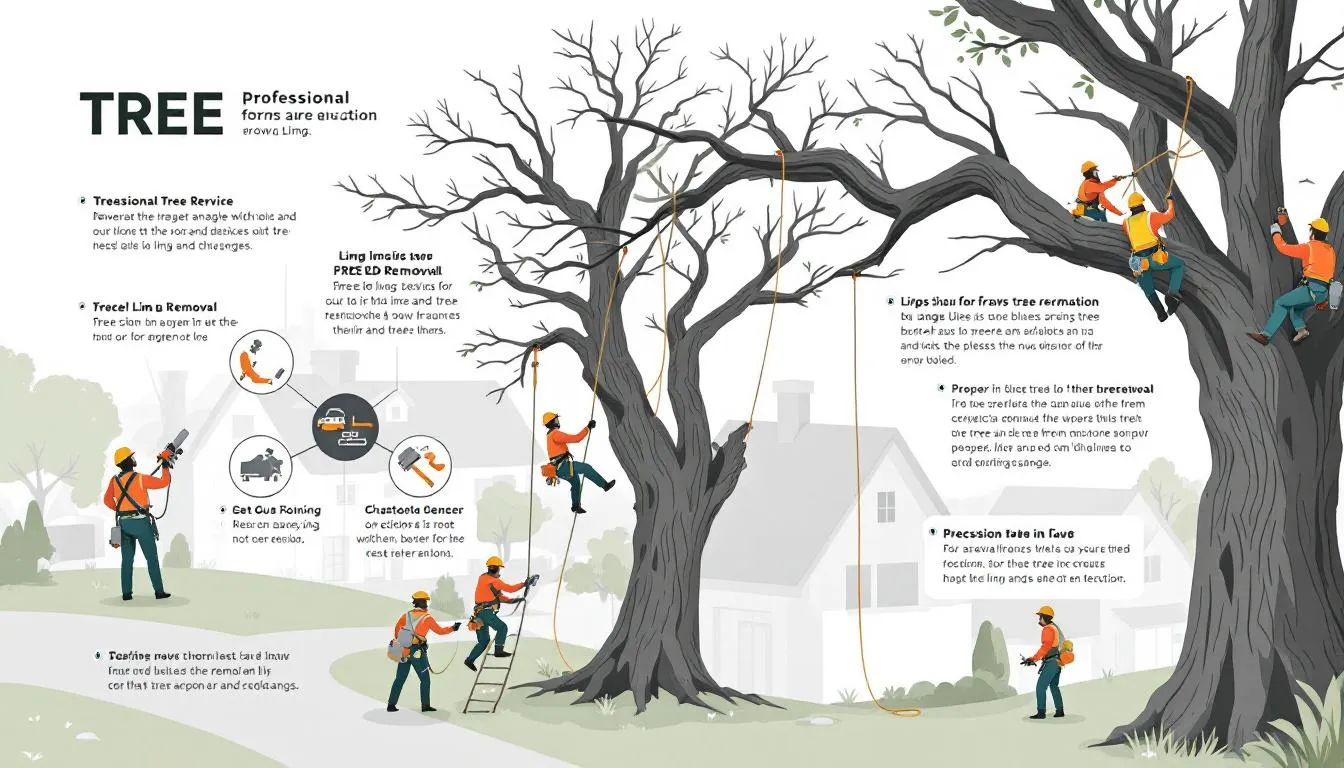
Engaging a qualified and insured tree removal service minimizes risks and liabilities. Professional arborists assess tree stability and determine necessary removals, making the process efficient and environmentally conscious. Their expertise with specialized equipment enables quicker and safer removal of trees and limbs than most homeowners could achieve.
Hiring experts can save costs long-term by preventing potential damages and reducing cleanup efforts. Professionals efficiently remove large branches and debris, maintaining your yard’s aesthetics.
Hiring professionals allows homeowners to hire reduce stress and save time, focusing on other important tasks while ensuring their house remains safe and beautiful. This job helps maintain the quality of their life space.
DIY Tree and Limb Removal: What You Need to Know
DIY tree and limb removal can be challenging and requires careful planning for safety and effectiveness. Understanding the limb’s weight and direction is crucial for safe cutting. Being well-prepared before starting is vital.
This section covers essential tools for tree and limb removal, important safety precautions, and a step-by-step guide to tackle the task confidently. Whether you’re a seasoned DIY enthusiast or novice, these tips provide a solid foundation for a successful project.
Essential Tools for Tree and Limb Removal
The right tools are crucial for safe and effective tree and limb removal. A chainsaw is essential for cutting tree limbs but requires careful handling due to its dangers. For larger limbs, a sturdy chainsaw is indispensable.
When a heavy chainsaw is impractical, a reciprocating saw is a useful alternative for cutting tree limbs. A telescoping ladder is recommended for reaching higher branches, and felling wedges prevent saw pinching and assist in directing the tree’s fall.
These tools make the removal process smoother and safer.
Safety Precautions
Safety is paramount when removing tree limbs. Protective goggles shield your eyes from debris while cutting branches. Personal protective gear, including gloves and sturdy footwear, is essential during the assessment and cleanup of fallen trees to avoid injuries.
A secure and stable ladder setup significantly reduces accident risks during tree limb removal. Establishing clear escape routes before cutting ensures safety in case of unforeseen incidents, such as a tree falling unexpectedly.
These precautions minimize risks and ensure a safe removal process.
Step-by-Step Guide
Assess the area for potential hazards and plan the removal strategy before starting. Make the face cut on the side where you want the tree to fall, involving two cuts that form a notch. During the felling cut, leave a hinge of wood to control the tree’s fall direction.
Creating a bird beak wedge cut is crucial when felling larger branches. Make an undercut on the limb before completing the cut from the top to control the middle fall direction.
Limbing should be done methodically from the stump towards the treetop to avoid accidents and ensure safety. Following these steps will help you remove tree limbs effectively and safely:
- Start limbing from the stump and work your way towards the treetop.
- Proceed methodically to maintain control and safety throughout the process.
- Follow each step carefully to ensure a smooth and controlled removal of tree limbs.
Dealing with Fallen Trees
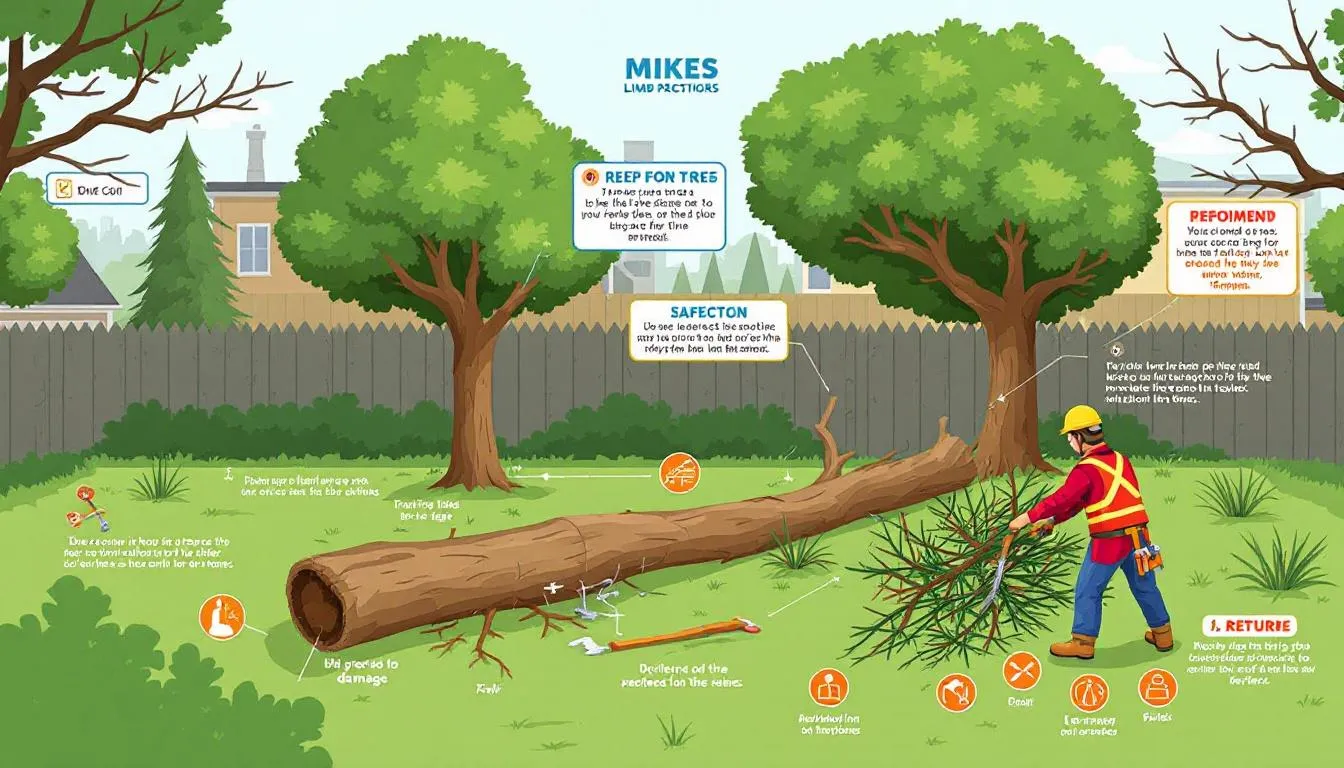
Dealing with fallen trees can be daunting, but evaluating the damage is crucial for deciding the appropriate actions and ensuring safety. If a tree or branch falls on power lines, it creates a serious hazard requiring immediate notification of the power company. Safety should always be the first concern.
Once immediate hazards are addressed, consider disposal options. One option is donating tree branches to local yard waste recycling or municipal composting programs. Alternatively, give away branches to neighbors or local woodworkers who may need free wood for their projects.
These options help you dispose of debris and benefit the community.
Handling Tree Limbs Near Power Lines
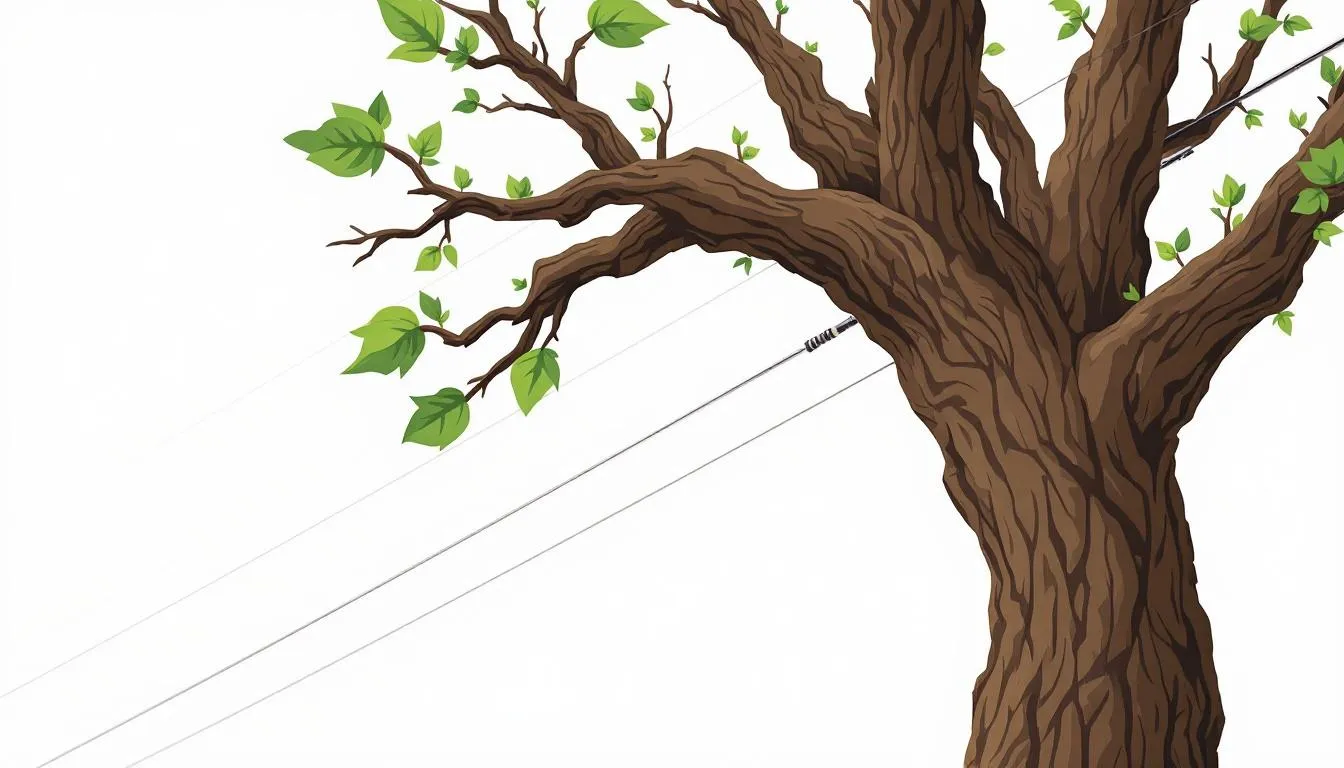
Handling tree limbs near power lines is extremely dangerous and should be left to professionals. Electrocution risks arise from indirect contact, such as when tools or tree limbs touch the wires. Electricity can arc from power lines, posing a risk even when working 15 feet away from them.
Using a guide rope helps control the direction a branch falls, enhancing safety during removal. Professionals often use cranes or bucket trucks to remove trees near power lines, although these methods also come with specific safety challenges.
Always prioritize safety and contact experts when dealing with power lines.
Tree Limb Removal on Property Lines
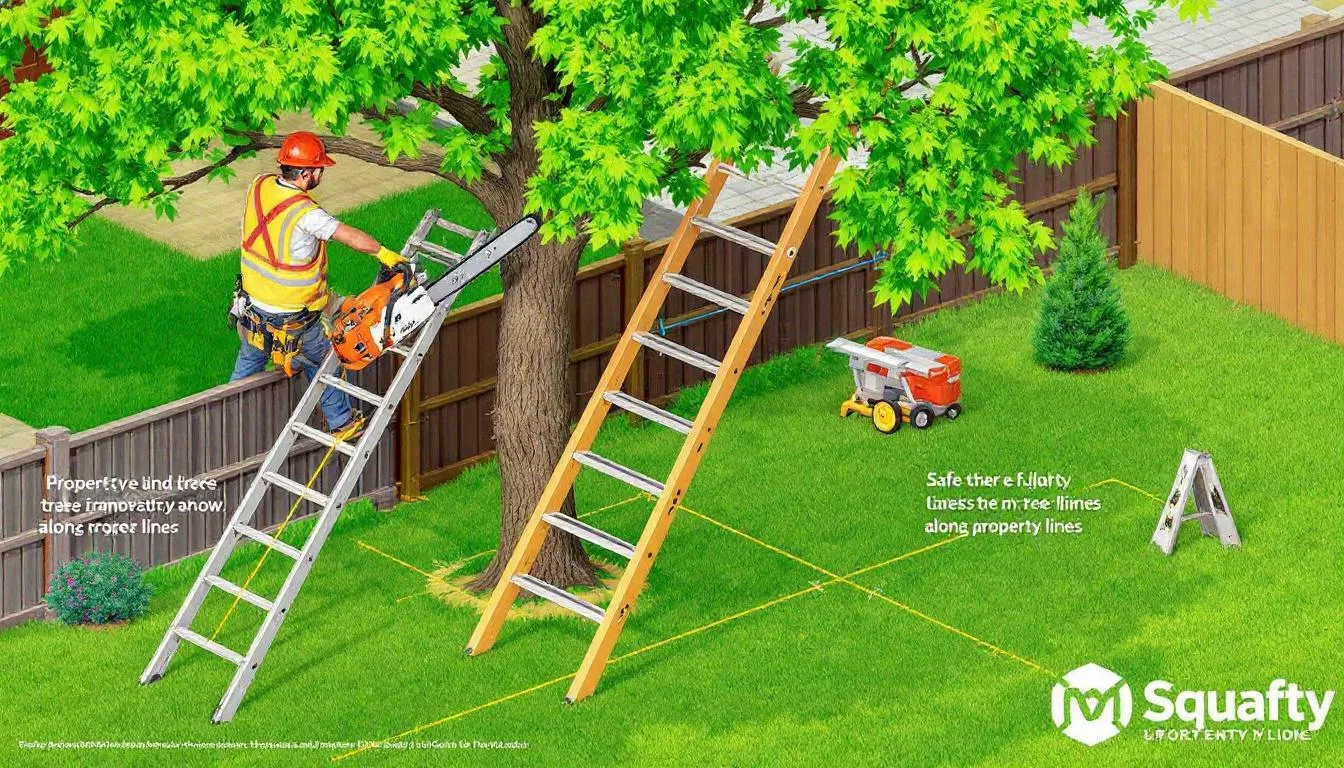
Removing tree limbs on property lines involves legal and neighborly considerations. Property owners generally have the right to remove branches or limbs that overhang their property line, but doing so may require cooperation or prior notice to the neighbor. Communicating with neighbors about tree limb removal helps maintain good relations and avoid disputes.
To ensure a smooth tree limb removal process near shared property lines:
- Give your neighbor notice before removing any tree limbs on shared property lines to allow them to discuss concerns.
- Utilize professional services for tree limb removal to ensure compliance with regulations when working near property lines.
- Maintain proper communication and caution throughout the process.
Disposal Options for Removed Limbs
Proper disposal methods for storm-damaged trees include recycling, chipping for mulch, or composting. Repurposing tree branches into mulch or wood chips effectively utilizes debris from tree removal. Renting a dumpster offers a flexible option for disposing of a large quantity of tree debris at your own pace.
In some areas, burning tree branches on-site is an option, but check local regulations before doing so. These disposal options ensure the debris is handled responsibly and sustainably.
When to Call in the Experts
Certain situations necessitate calling in the experts. Tree work within 10 feet of power lines is highly dangerous and may be illegal unless performed by certified professionals. Experts provide valuable insights and second opinions regarding tree health and removal necessity.
When removing tree limbs straddling property lines, consider the legal rights of both property owners, as laws vary by location. Hiring an arborist benefits the health of surrounding trees by assessing the ecological impact of tree removal.
Trusting professionals for complex tasks ensures safety and responsibility compliance with regulations.
Summary
Proper tree and limb removal is essential for maintaining the safety and aesthetics of your property. Whether you choose to hire professionals or tackle the task yourself, understanding the process, necessary tools, and safety precautions is crucial. Regular inspections and preventive measures can help reduce future risks and ensure a beautiful, safe yard.
Remember, some situations warrant calling in the experts, especially when dealing with power lines or legal issues. By making informed decisions and taking appropriate actions, you can ensure the well-being of your property and peace of mind.
Frequently Asked Questions
Why is tree and limb removal important for safety?
Tree and limb removal is crucial for safety as it minimizes the risk of injury or property damage caused by decayed or damaged trees. By addressing these hazards, you protect your home and community effectively.
What are the benefits of hiring professional tree removal services?
Hiring professional tree removal services ensures expertise, efficiency through specialized equipment, and minimized liability risks, ultimately saving homeowners time and stress.
What tools are essential for DIY tree and limb removal?
Essential tools for DIY tree and limb removal include a chainsaw, reciprocating saw, telescoping ladder, and felling wedges to ensure safety and efficiency.
How should fallen trees be handled safely?
Fallen trees should be handled safely by evaluating the damage and notifying the power company if any power lines are involved. Additionally, explore responsible disposal options, such as recycling or donating branches.
When should I call in experts for tree and limb removal?
You should call in experts for tree and limb removal when there are power lines involved, legal concerns, or if the removal task is complex, as this ensures safety and compliance with regulations.