
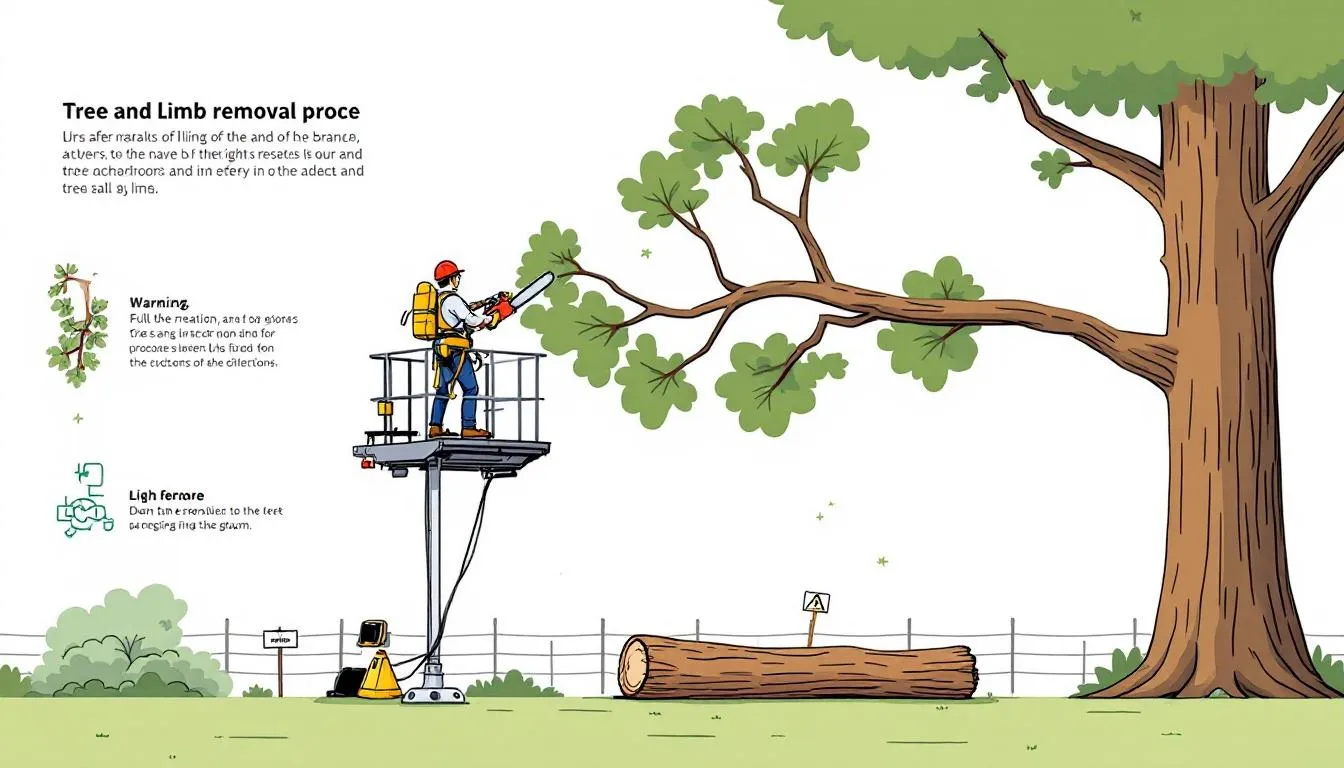
Wondering how much tree removal price costs? In 2025, prices range from $385 to $1,070. This guide will explain the factors that affect these costs and offer tips for effective budgeting.
Key Takeaways
- In 2025, tree removal costs range from $385 to $1,070, with factors such as tree size, type, and condition significantly influencing pricing.
- Additional expenses like stump removal, emergency tree removal, and debris cleanup can substantially increase overall costs, necessitating careful budgeting.
- Comparing quotes from multiple tree service companies and considering seasonal pricing variations can lead to more cost-effective tree removal solutions.
Average Tree Removal Price in 2025

In 2025, the average tree removal cost is expected to be:
- Between $385 and $1,070, with a national average of $850
- Around $750 for standard tree removal jobs
- As low as $200 for small trees
- As high as $2,000 for larger, more complex removals. Much does tree removal vary based on these factors.
Prices can vary depending significantly based on several factors.
Several factors contribute to these varying tree removal prices:
- The tree’s size
- Location
- Type
- Accessibility, especially for trees in hard-to-reach areas or near structures, which may require additional equipment or labor
- Urban area conditions, where limited space and heightened safety concerns tend to increase costs
For instance, removing small trees under 30 feet usually costs between $150 and $450, while larger trees over 80 feet can reach up to $2,000. Additionally, local demand impacts pricing, with Southern states generally having lower removal costs compared to Northern states due to higher demand in the latter.
Knowing these cost factors helps you budget more effectively for tree removal services in 2025.
Key Factors Influencing Tree Removal Prices
Removing a tree is a complex task that involves skilled labor, specialized equipment, and adherence to safety protocols, making it potentially expensive. Several key factors contribute to the overall tree removal cost, including the tree’s size, type, and condition. Each of these factors can significantly influence the final price, and understanding them is crucial for accurate budgeting.
The following subsections will delve deeper into these key factors, providing insights into how the tree’s size, type, and condition affect the cost of tree removal. Grasping these elements allows you to better anticipate expenses and prepare for any tree removal job.
Tree Size
The size of a tree is one of the most significant factors influencing tree removal costs. Generally, the larger the tree, the more complex and expensive it is to remove. For trees measuring 30 feet or less, the removal cost is typically between $150 and $450. However, for taller trees exceeding 80 feet, costs can range from $1,000 to $2,000.
Thicker trunks and larger trees contribute to higher removal costs due to:
- Thicker trunks requiring more time and effort to cut through.
- Trees over 30 feet needing specialized equipment.
- Increased risk associated with removing taller trees and a large tree and large trees.
Recognizing these size-related cost factors helps you anticipate expenses for removing trees of various sizes, including considerations of a tree’s size.
Tree Type
The type of tree you’re dealing with can greatly affect the cost of removal. Certain tree species are easier and less expensive to remove, significantly impacting overall costs. For example, hardwood trees like oaks and maples typically require more time and equipment for removal compared to softwood trees such as pines.
Softwood trees like pines are generally less expensive to remove than hardwood trees like oaks and maples. Additionally, trees with intricate branching patterns or extensive root systems, such as palms and fig trees, can be more expensive to remove due to their growth characteristics.
Knowing your tree type offers insights into its height at maturity and removal strategies, aiding in cost anticipation.
Tree Condition
The condition of the tree also plays a crucial role in determining removal costs. Healthy trees are generally less costly to remove since they can be handled efficiently by professionals. Conversely, diseased or storm-damaged trees usually incur higher removal fees due to the additional risks and complexities involved.
The health and stability of a tree directly influence its removal costs, with various conditions leading to different pricing structures. For instance, removing a diseased tree requires careful handling to prevent the spread of infection, while storm-damaged trees may pose higher safety risks, necessitating specialized equipment and techniques.
Additional Costs to Consider in Tree Removal
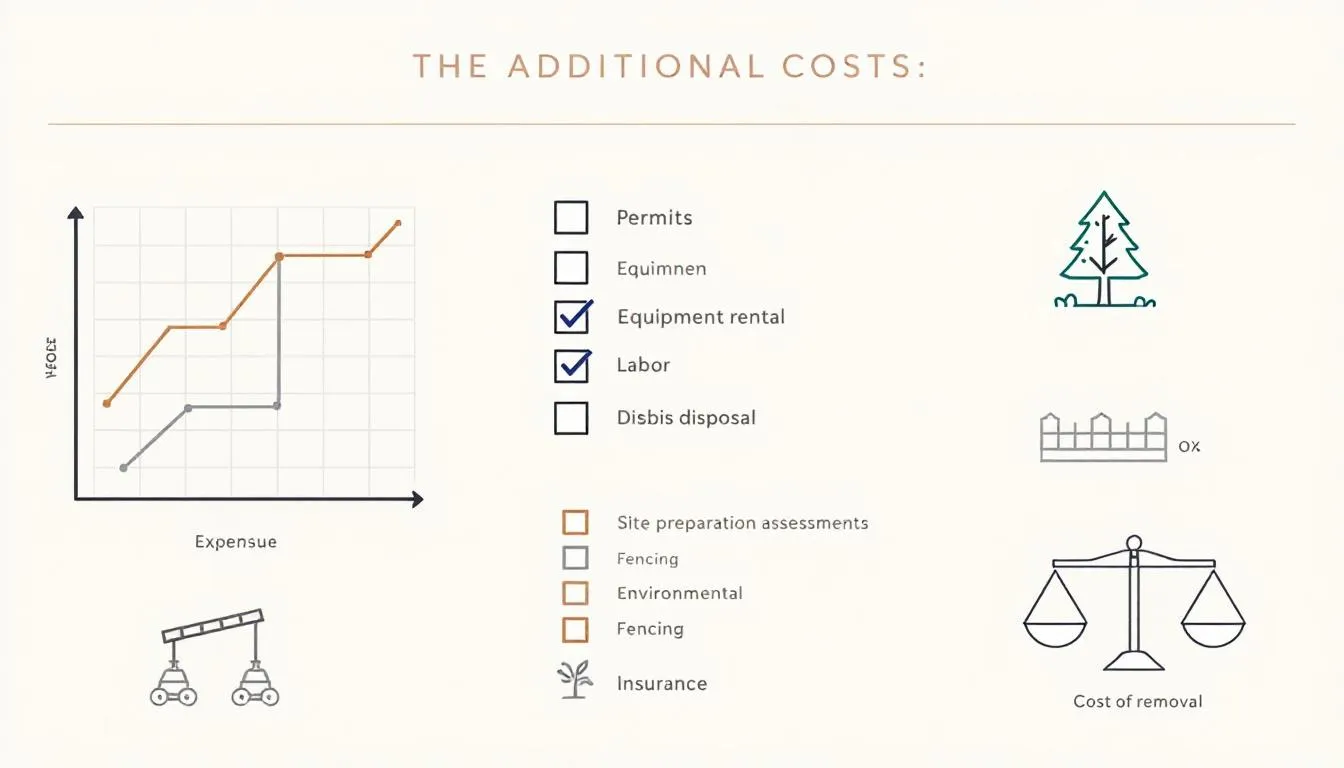
Beyond the standard tree removal cost, there are additional expenses to consider that can significantly impact the total price. These include stump removal, emergency tree removal, and debris removal. Understanding these additional costs is essential for accurate budgeting and avoiding unexpected expenses.
The following subsections will explore these additional costs in more detail, providing insights into the factors influencing each cost and what you can expect to pay for these services, including professional costs. By being aware of these potential expenses, you can better prepare for the full scope of a tree removal project.
Stump Removal
Stump removal is a common additional cost associated with tree removal. The typical cost range for stump removal is between $180 to $525. Factors influencing the cost include the size and condition of the stump, as well as the method used for removal.
Stump grinding is a popular method for removing stumps, and it involves using specialized equipment to grind the stump down to ground level with a stump grinder. This process can be more cost-effective than complete stump removal, but it still adds to the overall cost of the tree removal project, especially when a stump removed is necessary.
Emergency Tree Removal
Emergency tree removal can be significantly more expensive due to its urgent nature and the complexity involved. The cost of emergency tree removal typically ranges from $450 to $5,000, depending on the circumstances. Factors such as the tree’s size and the difficulties faced during removal can influence the cost.
In some cases, homeowners insurance may cover the cost of emergency tree removal due to storm damage, particularly if the tree poses a risk to property or safety. Being aware of potential costs and insurance coverage aids in preparing for emergency situations.
Debris Removal
Post-tree removal, the cost for cleaning up debris can impact the total price. The average cost of debris removal may include approximately $70 for hauling, $95 for chipping, and $70 for firewood. The volume of debris to be cleared often determines the cost.
Offering to take care of debris cleanup yourself can be a point of negotiation for a discount on tree removal services. Knowing debris removal costs aids in budgeting effectively for the entire tree removal project.
DIY Tree Removal vs. Hiring Professionals
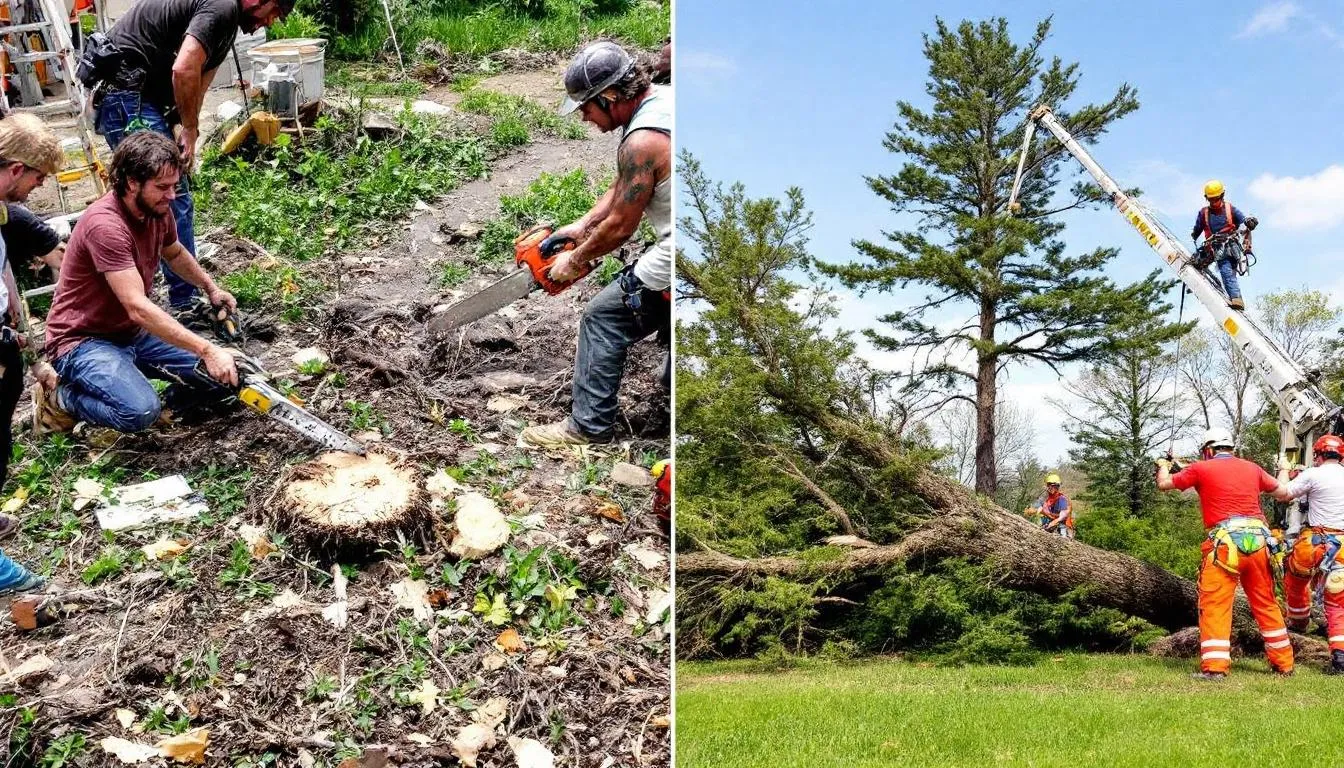
While DIY tree removal is generally cheaper than hiring a professional, it carries significant risks. Factors affecting the cost of DIY tree removal include:
- The tree’s size
- The tree’s type
- The tools and equipment needed However, the potential for injuries, property damage, and fines for hitting power lines make DIY tree removal a risky endeavor.
Hiring certified arborists reduces the risk of accidents through the use of specialized equipment and techniques. Professionals also ensure that the job is done efficiently and safely, providing peace of mind and often justifying the higher cost.
Steps for Safe DIY Tree Removal
If you decide to attempt DIY tree removal, it’s essential to follow safe practices. Required safety equipment includes:
- Hard hat
- Safety goggles
- Hearing protection
- Work gloves
Costs typically range between $200 to $300. Additionally, the estimated cost for gear and tools for DIY tree removal ranges from $260 to $470.
The steps to safely remove a tree include:
- Assessing the area
- Estimating the fall direction
- Watering the soil
- Cutting a notch in the trunk
- Clearing the vicinity
- Applying pressure as you cut
- Using a rope if needed
- Disposing of the branches.
Considering your skill level, protective gear, disposal plan, safety precautions, and proper equipment is crucial before attempting DIY tree removal.
Tree Removal Cost by Region
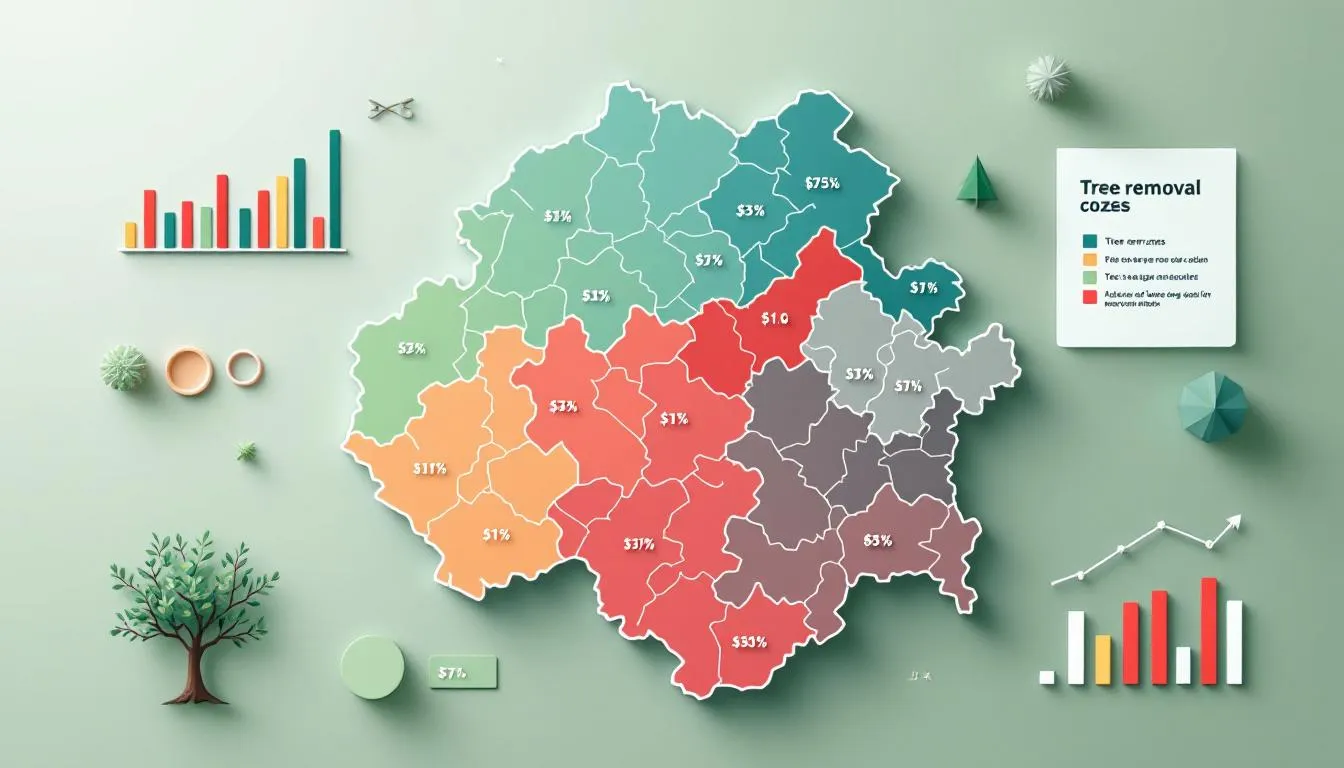
Tree removal costs vary significantly across different regions, influenced by factors such as location and demand. In rural areas, the tree removal process is generally less expensive due to more accessible workspaces. Conversely, urban areas experience higher prices due to cramped workspaces and increased safety concerns, especially when a tree removed is necessary.
Demand also affects tree removal prices, with costs typically lower in Southern states and higher in Northern states. Knowing regional cost variations is crucial for effective budgeting, ensuring you know what to expect based on your location.
Seasonal Variations in Tree Removal Pricing
Seasonal variations can greatly affect tree removal costs. Tree removal services are often most affordable during late winter. Early spring is also a cost-effective time for these services. During winter months, demand for tree removal professionals decreases, contributing to lower prices.
Removing trees in winter is generally easier due to their dormant state and lack of leaves. Homeowners can save around 20% or more on tree removal by scheduling during the winter months. Being aware of seasonal variations helps you plan for cost-effective tree removal.
Tips to Save Money on Tree Removal
There are several practical tips to help you save money on tree removal. Comparing quotes from different tree removal companies can help find the best price while ensuring quality service. If the tree to be removed is a shared concern with neighbors, splitting the cost may save money for both parties.
Ways to save on tree services include:
- Bundling services like stump grinding with tree removal, which may result in discounts from some companies.
- Discussing the possibility of bundling multiple tree services to achieve cost savings.
- Handling debris cleanup yourself as a negotiating point for a discount on tree removal services.
How to Get an Accurate Tree Removal Estimate
Obtaining multiple quotes from different companies can help identify a fair price for tree removal services. Homeowners should gather multiple estimates to compare not only costs but also the scope of services provided by different tree service companies.
Selecting a reliable tree service company that performs an on-site assessment ensures an accurate estimate, tailored estimates. Requesting a detailed service breakdown in an estimate helps homeowners understand the full scope of the tree care project.
Signs You Need Tree Removal Services
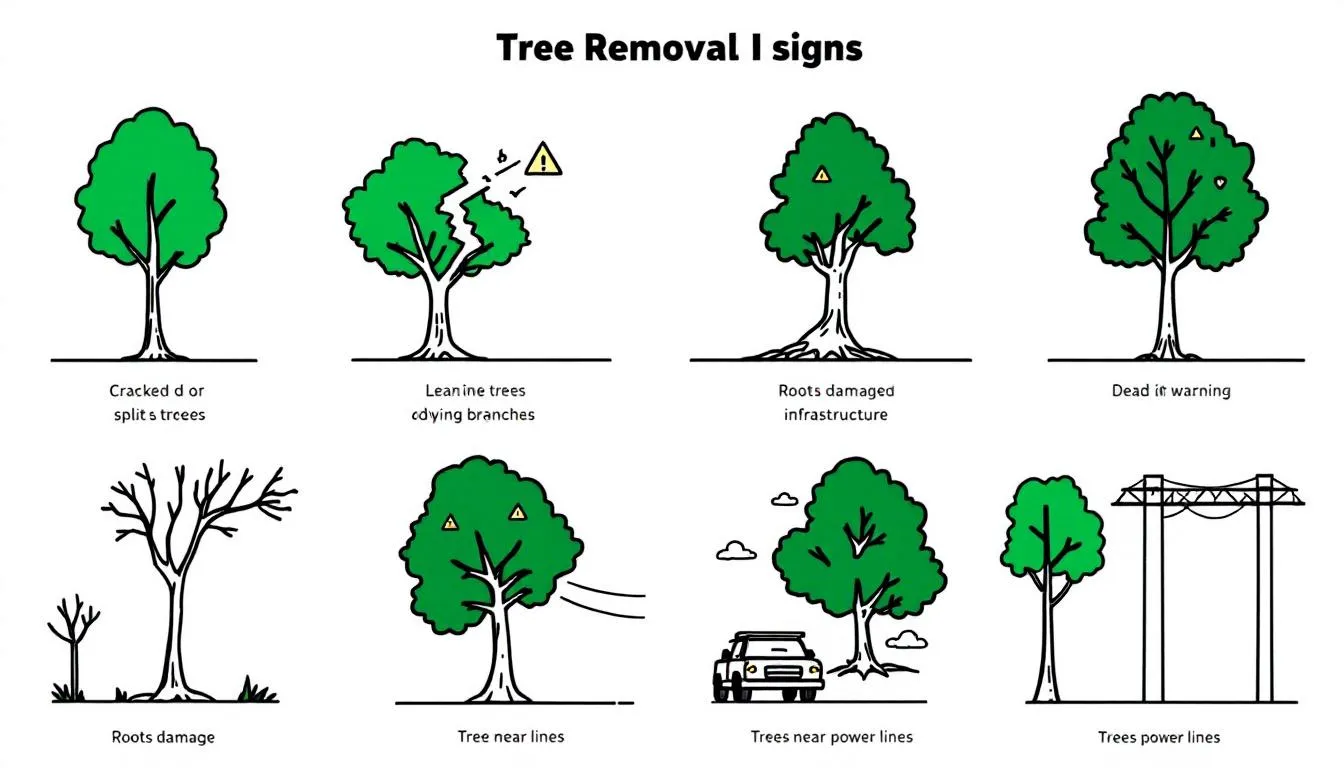
When a tree is diseased, severely damaged, or poses a risk, it may need removal. Warning signs that indicate a tree may need to be removed include:
- Disease
- Structural damage
- Proximity to power lines
- Holes or cavities in the tree’s trunk, which may signify distress and instability.
Key points about tree health and removal include:
- A tree that has lost its leaves for an extended period may be dead or a dying tree.
- Root decay is a critical sign indicating a tree’s instability and potential need for removal.
- Trees positioned too close to a home can pose risks, especially if they are unhealthy, including the risk of a fallen tree.
- Some utility companies offer free tree removal for trees that pose a risk to power lines.
Importance of Hiring Certified Arborists
Hiring certified arborists ensures safety, professionalism, and reduces risks associated with tree removal. Professional tree removal services limit safety risks, avoid property damage, and ensure efficiency.
Working with certified arborists can result in higher quality estimates and services due to their specialized knowledge and training in tree care. A professional arborist should be hired to evaluate a tree’s health before removal.
Summary
Understanding the costs and factors involved in tree removal in 2025 is crucial for homeowners. From the average tree removal price to the additional expenses such as stump removal, emergency services, and debris cleanup, being well-informed can help you budget effectively and avoid unexpected costs. The factors influencing tree removal costs, including tree size, type, and condition, play a significant role in determining the overall price, and understanding these can help you make more informed decisions.
Hiring certified arborists ensures safety and professionalism, while considering DIY options can save money if done safely and correctly. By comparing quotes, bundling services, and understanding regional and seasonal cost variations, homeowners can find ways to save money on tree removal. Ultimately, being proactive and informed is the key to managing tree removal costs effectively.
Frequently Asked Questions
What is the average cost of tree removal in 2025?
The average cost of tree removal in 2025 is anticipated to be approximately $850, ranging from $385 to $1,070.
How much does it cost to remove a small tree?
Removing a small tree, typically one that is 30 feet or less, generally costs between $150 and $450. It’s advisable to obtain multiple quotes to ensure a fair price.
What factors influence the cost of tree removal?
The cost of tree removal is primarily influenced by the tree’s size, species, health, and its proximity to structures or obstacles. Understanding these factors can help you anticipate the potential expenses involved.
Are there additional costs associated with tree removal?
Yes, additional costs for tree removal may include stump removal, emergency services, and debris cleanup. It is advisable to account for these potential expenses in your budget.
How can I save money on tree removal?
To save money on tree removal, compare quotes from various companies, bundle services, and handle debris cleanup independently. Additionally, be mindful of seasonal price fluctuations. This approach can significantly reduce your overall costs.